Embroidery Butterfly Digital Paper: A Designer Review
As an embroidery designer running a personalized gift shop, I am constantly evaluating new assets to ensure they translate beautifully from screen to stitch. When I first opened the Embroidery Butterfly Digital Paper, I wasn't just looking for a pretty graphic; I was assessing its viability as a core component for custom orders. In our industry, a digital asset is only as good as the finished product it produces. After testing this design across various applications, I can confidently say it offers significant potential for makers, Etsy sellers, and small business owners focusing on sentimental and decorative goods.
First Impressions: Mood and Emotional Resonance
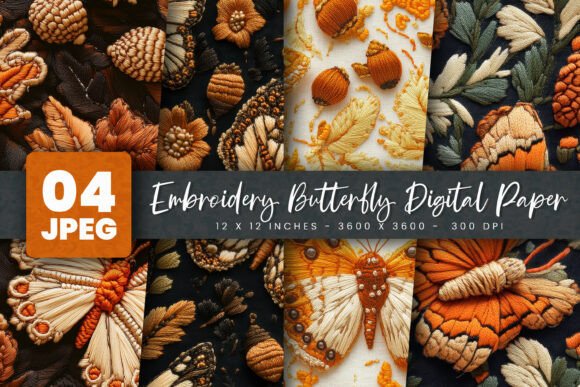
The immediate appeal of the Embroidery Butterfly Digital Paper lies in its versatility. The aesthetic strikes a delicate balance between playful and elegant, making it suitable for a wide demographic. It does not feel overly juvenile, which allows it to transition seamlessly from nursery decor to sophisticated wedding keepsakes. The high-resolution 300 DPI specification is crucial here. As a professional, I need crisp lines to guide my digitizing or sublimation work, and this file delivers clarity that prevents pixelation when scaled for larger items like wall art or pillow covers.
Emotionally, butterflies symbolize transformation, hope, and new beginnings. This inherent meaning adds perceived value to any handmade product. When a customer requests a baby embroidery piece for a newborn or a memorial gift, this design carries the emotional weight necessary for such occasions. It feels sweet and organic rather than rigid or industrial, which is exactly what buyers seek when purchasing custom embroidery over mass-produced alternatives.
Real-World Application: From Digital File to Finished Product
To truly test this graphic, I planned a series of products typical of a busy holiday season or spring rush. For baby embroidery, specifically onesies and blankets, the design’s softness is paramount. Parents want nursery items that feel gentle and timeless. Using this butterfly pattern as a central motif on a receiving blanket creates an instant heirloom quality. Similarly, for wedding gift markets, I found the design adapts well to linen guest towels or ring bearer pillows. The key is treating the digital paper not just as clip art, but as a foundational element of a broader design narrative.
For my fellow Etsy sellers and craft fair vendors, this asset shines in product diversification. Because it is categorized under Patterns and Graphics, it serves multiple revenue streams. I successfully visualized it on canvas tote bags for bridal parties and ceramic mugs for Mother’s Day. The ability to use the same high-quality source file for both print-on-demand stickers and embroidered throw pillows maximizes efficiency in a small shop workflow. It allows us to offer cohesive collections where the wall art matches the textile products, encouraging customers to buy bundles rather than single items.
Navigating Fabric Challenges and Technical Limitations
However, experienced makers know that a beautiful digital file does not guarantee a perfect stitch-out on every surface. While the Embroidery Butterfly Digital Paper is versatile, caution is required when applying it to challenging substrates. If you are creating an embroidered towel with thick terry cloth texture, the delicate details of the butterfly wings may get lost in the pile. In these cases, I recommend using a water-soluble topping and potentially simplifying the design elements during the digitizing process to maintain definition.
Stretchy fabrics, such as those used in baby clothes or lightweight knits, present another hurdle. The design must be stabilized correctly to prevent puckering. Always pair this graphic with appropriate cut-away stabilizer for stretch materials and tear-away for stable wovens. Furthermore, be mindful of small lettering if you are combining this butterfly with personalized names. Text smaller than 4mm often fails to register clearly, regardless of how sharp the digital source is. Always verify that your machine embroidery design settings match the physical reality of the fabric texture.
Dark fabrics also require strategic planning. Since this is a digital paper asset, you must consider contrast. A white or pastel butterfly on navy blue fabric looks stunning digitally, but physically requires either light-colored thread or a specialized appliqué technique to pop. Never assume the screen preview equals the stitched result; always run a test sew-out on scrap fabric that matches your final project's weight and weave.
Elevating Perceived Value and Customer Trust
In the competitive landscape of commercial embroidery and digital product sales, presentation dictates price. The high resolution of this file directly impacts your marketing. Clear, non-pixelated mockups build buyer confidence. When a customer sees a crisp, detailed preview of their potential custom embroidery, trust increases. They understand they are paying for a premium handmade product, not a generic clip-art transfer.
This design also enhances the "giftability" factor. Products featuring the Embroidery Butterfly Digital Paper photograph exceptionally well because of the balanced composition. Good photography leads to higher engagement on social media and marketplace listings. When the design looks intentional and professionally executed, it validates the higher price point associated with custom work. It signals to the buyer that the maker cares about quality at every stage, from file selection to final stitching.
Essential Workflow Notes for Professional Results
Before adding this to your permanent catalog, adhere to these practical steps to protect your reputation and streamline production:
- Verify Licensing: Before selling finished products or digital derivatives, confirm the specific commercial license terms included with the Embroidery Butterfly Digital Paper. Usage rights vary, and compliance is non-negotiable for legitimate businesses.
- Test Stitch Density: If converting this graphic into an embroidery file, check the stitch density. Too dense causes fabric distortion; too sparse leaves gaps. Adjust based on whether you are stitching on denim, cotton, or fleece.
- Hoop Size Confirmation: Ensure the design fits comfortably within your hoop size with adequate margin for the presser foot. Crowding the hoop edges leads to registration errors and ruined blanks.
- Thread Color Planning: Create a physical thread chart comparison against the digital colors. Screen RGB values rarely match polyester or rayon thread perfectly. Select thread colors that complement, rather than strictly match, the digital file.
- Mockup Accuracy: Use printable mockup templates that reflect realistic fabric textures. Showing a flat vector on a wrinkled linen background helps manage customer expectations regarding the final handmade product.
- Wash Testing: If selling items like aprons or blankets that require frequent laundering, wash your test sample. Ensure the design holds up without fraying or fading, proving the durability of your craftsmanship.
Final Thoughts for Makers and Sellers
The Embroidery Butterfly Digital Paper is more than just a seasonal graphic; it is a reliable tool for creating meaningful, high-value goods. Its strength lies in its emotional adaptability and technical quality. Whether you are designing a nursery centerpiece, a wedding favor, or a best-selling tote bag, this asset provides the visual foundation needed to attract discerning customers. By respecting the technical requirements of embroidery and leveraging the design's inherent charm, you can transform a simple digital file into a cherished physical keepsake. Remember, in our trade, success comes from marrying artistic vision with technical precision. Test thoroughly, stitch mindfully, and let the quality of your work speak for itself.