Elegant Floral Lace Embroidery Design Review
As a professional embroidery designer specializing in commercial branding and merchandise production, I approach every new machine embroidery design with a critical eye toward production viability. When evaluating the Elegant Floral Lace Embroidery Design for small business applications, my primary focus shifts from pure aesthetics to functional durability and brand alignment. While the product description highlights its suitability for T-shirts, table runners, pillow covers, and handkerchiefs, my review assesses how this specific embroidery file translates into high-value assets like custom apparel, branded patches, and boutique merchandise.
Visual Personality and Brand Alignment
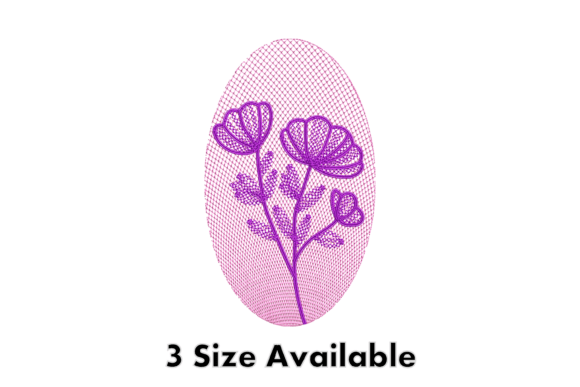
The first impression of the Elegant Floral Lace Embroidery Design is undeniably sophisticated. In the context of brand identity, this design communicates refinement, attention to detail, and a premium handmade aesthetic. For businesses such as florists, bridal boutiques, artisanal bakeries, or creative studios, this visual language aligns perfectly with a customer base that values craftsmanship over mass production.
Unlike bold, blocky logos often used in corporate uniforms, this design offers a softer, more organic appeal. It feels classic yet modern enough to avoid looking dated. However, "elegance" in digitizing often implies complexity. As a designer, I immediately look for how the lace effect is achieved. True lace relies on precise stitch placement and tension rather than heavy fill stitches. If executed correctly, this design adds perceived value to any handmade product. If the digitizing is poor, however, "lace" can quickly become a dense, stiff patch of thread that ruins the drape of a garment or causes needle breaks during commercial embroidery runs. This design appears to strike a balance suitable for decorative branding, provided the end-user understands its delicate nature.
Real-World Business Applications
For small business owners and Etsy sellers, versatility is key. The Elegant Floral Lace Embroidery Design performs exceptionally well in several specific commercial scenarios:
- Boutique Merchandise: This design is ideal for elevating basic inventory. Placing it on the hem of a linen apron or the cuff of a staff shirt transforms generic workwear into branded small business merch that customers want to purchase.
- Product Packaging Accents: For makers selling physical goods, embroidering this motif onto muslin drawstring bags or fabric tags creates an unboxing experience that reinforces brand loyalty without requiring custom printed boxes.
- Event and Wedding Markets: Florists and event planners can utilize this design on tote bags or favor pouches. The floral theme bridges the gap between utility and decoration, making the item a keepsake rather than disposable swag.
- Home Decor Lines: Consistent with the product description, this design excels on table runners and pillow covers. For interior designers or home goods brands, it offers a cohesive thread that can tie together a seasonal collection.
In these contexts, the design acts as a signature element. It does not need to be the primary logo; instead, it serves as a complementary graphic that enhances the overall professionalism of the finished product.
Production Constraints and Technical Considerations
While the aesthetic potential is high, the Elegant Floral Lace Embroidery Design requires careful handling in production environments. Lace-style digitizing presents unique challenges that differ from standard satin or fill stitch logos.
Fabric Texture and Stabilizer Selection
Lace designs are inherently open. On textured fabrics like linen or raw cotton, the intricate details may get lost or snag. For apron embroidery or tote bag design, I recommend testing on a smooth-weave canvas or twill first. The choice of stabilizer is non-negotiable here. Because lace lacks a solid backing, you must use a water-soluble or tear-away stabilizer that supports every stitch during the run but disappears afterward. Using a permanent cut-away stabilizer will leave a visible backing that destroys the "lace" illusion and feels unprofessional against the skin.
Sizing and Stitch Density
One of the most common mistakes in commercial embroidery is resizing complex designs without adjusting parameters. The Elegant Floral Lace Embroidery Design likely has a minimum viable size. Shrinking it below 3 inches may cause the lace holes to close up or the connecting bars to break. Conversely, enlarging it significantly without adding underlay can result in gapping. Always verify the original hoop size and intended dimensions before altering the file. High stitch density in lace areas can also lead to puckering on lightweight T-shirts; consider using a lighter weight thread or reducing density if targeting sheer fabrics.
Durability for Workwear
If using this for staff uniforms or aprons that require frequent industrial washing, proceed with caution. Lace is delicate by definition. For high-wear items, I advise placing the design in low-friction zones, such as the upper chest, yoke, or sleeve cuff, rather than pockets or waistbands. Alternatively, create a standalone embroidered patch using this design. Stitching it onto felt or twill with a merrowed edge allows you to attach it securely to uniforms while protecting the intricate lacework from direct abrasion.
Designer Notes for Commercial Success
Before committing the Elegant Floral Lace Embroidery Design to a full production run, follow this professional checklist to ensure quality and protect your business reputation:
- Test in Monochrome First: Run a sample in black or white thread only. This reveals structural issues, registration errors, or density problems that multiple thread colors might hide. If the design looks messy in one color, it will fail in production.
- Create a Printable Mockup: Before stitching on expensive merchandise, generate a digital mockup to show clients or stakeholders. This manages expectations regarding size and placement, especially since lace looks different on screen than on fabric.
- Verify Licensing: Confirm the commercial licensing terms included with the digital embroidery file. Ensure you have the right to use the design on products for sale, not just personal projects. This is vital for Etsy sellers and retail brands.
- Check Thread Contrast: Lace relies on negative space. Test on both light and dark fabrics. A white lace design on a white shirt may lack definition, while the same design on navy provides striking contrast. Adjust thread selection based on the final substrate.
- Inspect Spacing and Jump Stitches: Lace designs often have many jump stitches due to their open nature. Review the file in your software to optimize the stitch path. Excessive trimming slows down production and increases the risk of thread tails appearing on the front of the garment.
- Compare Beside Other Assets: Place a printout of this design next to your existing logo and typography. Ensure the visual weight matches. A delicate lace flower may look out of place beside a heavy, industrial block font. Visual consistency builds trust.
Final Verdict for Small Business Use
The Elegant Floral Lace Embroidery Design is a valuable asset for businesses aiming to project an image of sophistication and artisanal quality. It moves beyond simple decoration to become a strategic branding tool when applied correctly. Its success in cap embroidery, apparel accents, and home goods depends entirely on respecting the technical limitations of lace digitizing. By prioritizing proper stabilization, testing on actual production fabrics, and understanding where this design fits within your broader design assets library, you can leverage this motif to create merchandise that resonates with customers and stands out in a crowded marketplace. Always treat this file as a premium component of your brand toolkit, reserving it for applications where its elegance can be fully appreciated and preserved.