Earth Day Calendar Embroidery: A Designer’s Review
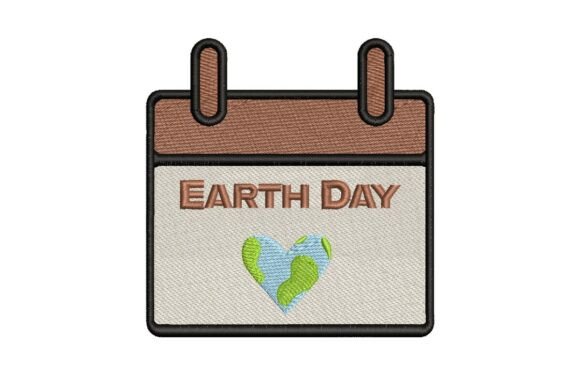
As a professional embroidery digitizer and product reviewer, I approach every new machine embroidery design with a critical eye toward production viability. It is not enough for a graphic to look appealing on a screen; it must translate into clean stitches, durable wear, and commercial value. When evaluating the Earth Day Calendar Embroidery, my primary focus is how this specific combination of typography and symbolic imagery performs in real-world applications. This design features "EARTH DAY" stitched across the top of a calendar page layout, anchored by a heart-shaped Earth with blue oceans and green continents below. From an awareness category perspective, it strikes a balance between educational messaging and aesthetic warmth, but its success as a finished product depends entirely on technical execution and appropriate substrate selection.
First Impressions and Visual Hierarchy
The immediate strength of this embroidery file lies in its clear visual hierarchy. The text serves as a bold header, while the heart-shaped globe acts as a focal point that softens the rigid structure of a traditional calendar. For an Etsy seller or boutique owner, this duality is valuable. It reads clearly as an environmental statement without feeling overly political or aggressive, making it suitable for a wider demographic. However, as a designer, I immediately scrutinize the transition between the text and the graphic. In many digital files, the gap between satin stitch lettering and fill stitch graphics can cause registration issues if the stabilizer is inadequate. The heart shape introduces curves that require precise underlay to prevent fabric distortion, especially when paired with the straight lines of the calendar border. My first impression is positive regarding marketability, but cautious regarding the need for proper hooping tension to maintain the integrity of the heart's curves against the structured text above.
Real-World Application: Stitching a Spring Tote Bag
To truly evaluate this design, I mentally applied it to a recent client request: a series of canvas tote bags for a local community garden fundraiser. Canvas is unforgiving; it hides poor digitizing but rewards good density. For this tote bag design, the Earth Day Calendar Embroidery works exceptionally well because the calendar motif implies utility and planning, which aligns with the function of a tote. When stitching this out, I would treat the heart-shaped Earth as a potential applique design opportunity rather than a full fill stitch. Using fabric applique for the blue and green sections reduces stitch count significantly, lowers production time, and adds a tactile texture that pure thread cannot replicate. If executing as standard embroidery, I would verify that the stitch density is light enough to prevent the heavy canvas from puckering around the dense text. For a custom apparel project like this, the design’s vertical orientation fits perfectly within the printable area of most multi-needle machines, allowing for efficient placement without excessive re-hooping.
Navigating Fabric Limitations and Hoop Constraints
While versatile, this design requires careful consideration of the base material. I would advise against using this specific layout on highly textured fabrics like terry cloth or thick fleece unless you are creating an embroidered patch first. The fine details of the calendar grid and the definition of the heart’s continents can get lost in high-pile textures. Similarly, stretchy knits present a challenge. If you are attempting sweatshirt embroidery or baby items, the contrast between the stable satin stitch text and the stretch of the jersey knit can lead to tunneling. You must use a high-quality cut-away stabilizer and potentially a topping to keep the stitches crisp.
Hoop size is another critical factor. Because the design combines horizontal text with a vertical graphic element, it likely requires a larger hoop footprint than a standalone icon. Before purchasing or downloading this digital embroidery file, measure your available hoop area. Trying to shrink this design down to fit a 4x4 hoop may render the "EARTH DAY" text illegible and the map details muddy. Small lettering in machine embroidery is notoriously difficult; if the font drops below 6mm in height during resizing, the satin columns may collapse. Always check the minimum recommended size in the design specs to ensure legibility remains intact.
Commercial Viability for Makers and Sellers
For those running a craft business or selling on handmade platforms, the Earth Day Calendar Embroidery offers strong seasonal relevance. However, longevity matters. Unlike a novelty holiday design that expires after one day, this calendar motif has a longer shelf life throughout April and even into general spring merchandise. As a personalized gift option, consider adding a custom name or year below the heart graphic, provided the original file allows for editing. This transforms a generic awareness item into a keepsake. When listing this as a small shop product, photography is key. I recommend testing the design on both light and dark fabrics to see how the blue and green threads interact with different backgrounds. Dark fabrics often make bright blues pop, while natural linens offer an organic feel that suits the Earth Day theme. Creating accurate printable mockups based on actual test stitches will build buyer trust far better than generic digital renders.
Technical Notes for Professional Results
Before committing this design to a final embroidery project, adhere to these professional best practices:
- Test Stitch First: Never run this design directly on a sellable garment without a test sew-out. Check specifically for registration alignment between the top text and the bottom heart graphic.
- Verify Thread Colors: The description mentions blue oceans and green land, but monitor calibration varies. Print a thread chart or do a color comparison swatch to ensure the greens don't appear neon or artificial against natural fabrics.
- Check Licensing: Confirm whether your purchase includes commercial rights for selling finished goods versus just personal use. This is vital for commercial embroidery operations.
- Evaluate Washability: If intended for kitchen towels or baby clothes, ensure the stitch type can withstand frequent laundering. Satin stitches should be secure, and fill stitches should not be so dense that they create a stiff, unwearable patch.
- Mockup Validation: Test the design in black and white simulations to judge contrast. If the blue and green values are too similar in grayscale, they will also lack distinction in low-light product photos.
Final Verdict on Design Utility
The Earth Day Calendar Embroidery is a thoughtful addition to any digitizer’s library for the spring season. Its blend of typographic clarity and symbolic imagery makes it a strong candidate for holiday embroidery sales and community-focused projects. However, its success relies on the maker’s understanding of scale and stabilization. It is not a "one-size-fits-all" asset; it demands respect for the interplay between the rigid calendar structure and the organic heart shape. By treating it as a technical component of a larger product strategy—rather than just a pretty picture—you elevate the perceived value of your work. Whether you are creating design assets for digital sale or manufacturing physical goods, always prioritize the stitch-out quality over screen appeal. When executed correctly on the right substrate, this design communicates professionalism and care, reinforcing the very message of mindfulness that Earth Day represents.